

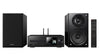

Network Players
(5 products) Save 24%
Marantz HI-FI
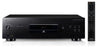
Marantz ND8006 CD and Network Player, Black
€1.260,95€1.648,95Unit price /Not availableIn stock (only 1 pcs.) · Delivery time: 3–5 business days Sold outSave 34%
Made to order. Estimated delivery in 8–14 business days. 
Made to order. Estimated delivery in 8–14 business days.  Save 19%
Made to order. Estimated delivery in 7–12 business days.


Read more Network Players
Read more Network Players
Network players
Welcome to our network players category, where you will find a selection of advanced devices designed to deliver outstanding audio and video quality directly from your home network. Network players are the ideal solution for those who want to enjoy their media collection from a centralised source, without compromising on quality.
Functionality and ease of use
Our network players offer a range of features that make them easy to use. They support various streaming services and file formats, giving you the freedom to play music and videos from multiple sources. With built-in Wi‑Fi and Ethernet connectivity, you can easily connect them to your home network, so you can access your content effortlessly.
High audio and video quality
One of the key characteristics of network players is their ability to deliver high audio and video quality. Many models support high-resolution audio formats such as FLAC and DSD, ensuring you get the best experience when listening to your favourite music. In addition, they also deliver excellent video quality, making them ideal for films and TV series.
Integration with existing systems
Network players are designed to integrate seamlessly with your existing audio and video system. Most devices feature analogue and digital outputs, so you can connect them to amplifiers, speakers or TVs with ease. With the option to control the player via an app on your smartphone or tablet, your media experience becomes even more convenient.
Future-proof technology
With rapid developments in technology, our network players are equipped with the latest technology to ensure they can adapt to future media requirements and streaming standards. This means you can invest in a network player with the confidence that it will remain relevant for many years to come.
What are network players?
Network players are advanced multimedia devices that allow users to stream and play digital content from various sources over a network. These devices are designed to handle a wide range of media formats, making them ideal for both private and professional applications. With their ability to integrate with streaming services, local networks and cloud solutions, network players have become an important component in modern audio and video installations.
Features of network players
Network players offer a range of features that enhance the user experience:
- High-quality streaming: They often support high-resolution audio and video formats, ensuring excellent sound and picture quality during playback.
- Multiple connectivity options: Many network media players come with Wi-Fi and Ethernet connectivity, so users can choose the most suitable method for their network.
- Integration with streaming services: Most devices can be easily integrated with popular streaming services such as Spotify, Tidal, and YouTube, giving users access to an extensive library of content.
- Remote control and app control: Many network media players can be controlled via smartphone apps, allowing users to control playback from a distance.
Applications for network media players
Network media players are used in a range of different environments:
- Home entertainment: They are ideal for home cinemas, where they can play films and music from local and online sources.
- Professional audio systems: In music studios and at live performances, network media players can be used to play backing tracks or audio samples.
- Educational institutions: Schools and universities can use them to present multimedia content in lectures and presentations.
- Commercial installations: In shops and restaurants, they can be used to deliver background music and promotional videos, creating a pleasant atmosphere for customers.
With their versatility and functionality, network media players are a valuable tool for anyone looking to optimise their media experience.
Use of network media players
Network media players have become an indispensable part of modern audio and video solutions. These devices allow users to stream content directly from the internet or local networks, providing great flexibility and convenience. Whether you are a music lover, a film enthusiast, or a professional DJ, network media players offer a range of features that can enhance your experience.
Practical use at home
In private homes, network media players are often used to stream music and films from services such as Spotify, Netflix, or local media libraries. These devices can be connected to a TV, speakers, or a home cinema system and enable seamless integration of different media. For example, a network media player such as a smart TV box can provide access to all your entertainment from a single device, reducing the need for multiple remote controls and inputs.
Relevance for professional users
For professional users, such as DJs and sound engineers, network players are indispensable tools. They provide access to a large library of music and sound effects, which is crucial for being able to tailor sets to different events. Many network players support various formats and streaming services, so users can find the perfect track for any occasion. In addition, some models offer advanced features such as the ability to integrate with DJ software, making it easier to mix and manipulate music live.
Benefits of network players
One of the biggest advantages of network players is their ability to deliver high audio quality. Many models support high-resolution audio formats, ensuring that listeners get the best possible experience. In addition, users can benefit from features such as multiroom audio, where they can stream music to multiple rooms at the same time. This is ideal for parties or social gatherings where you want to create a cohesive atmosphere.
Integration with smart home systems
Network players can also be integrated with smart home systems, allowing users to control their media playback via voice commands or mobile apps. This makes it possible to change songs or adjust the volume without having to get up from the sofa. With this type of integration, it becomes easier than ever to enjoy music and films, making network players a practical solution for both private and professional users.
Various types of network players
Network players have become an indispensable part of modern home entertainment. They offer a wide range of functions and options for streaming music, films and images from various sources. Here, we take a closer look at different types of network players, their functions and benefits.1. Media Players
Media Players are one of the most popular types of network players. These devices can stream content from the internet and local networks. Media Players such as Roku, Apple TV and Chromecast allow users to access streaming services such as Netflix, Hulu and YouTube. Advantages of media players include ease of use and a wide range of available apps. Most media players also have an intuitive user interface that makes it easy to navigate between different services. In addition, many models offer support for 4K and HDR, ensuring high picture quality.2. Blu-ray players with network features
Blu-ray players are not only for playing physical discs; many models also include network features. These devices can stream content from the internet and local networks, making them versatile media players. A major advantage of Blu-ray players with network features is that they often offer improved audio and picture quality compared to standard media players. They typically support formats such as DTS-HD and Dolby TrueHD, providing a more immersive audio experience.3. Smart TVs
Smart TVs are another type of network player that has become more widespread in recent years. These televisions have built-in streaming services and apps, eliminating the need for a separate Media Player. The advantages of smart TVs include simplicity and convenience, as everything is integrated into one device. In addition, many smart TVs offer voice control and the ability to connect to the home’s smart devices, making them a central part of home entertainment.4. Hi-fi network players
Hi-fi network players are designed for audiophile enthusiasts who want to stream music in high quality. These devices often support high-resolution audio formats and enable streaming from services such as Tidal and Qobuz. One of the biggest advantages of hi-fi network players is the superior sound quality they offer. Many models also have advanced DACs (digital-to-analog converters) that ensure the music sounds as good as possible. In addition, several hi-fi network players can be integrated with existing hi-fi systems.5. Game consoles
Game consoles such as PlayStation and Xbox also function as network players. In addition to offering gaming capabilities, these consoles can stream content from various services. The advantages of game consoles include versatility, as they can be used for both gaming and media playback. In addition, many modern consoles support 4K and HDR, making them a good choice for those who want a combination of high-quality gaming and entertainment.Conclusion
As shown, there are many different types of network players, each with its own unique features and advantages. Whether you’re looking for a simple Media Player, a smart TV or a hi-fi network player, there is a solution to suit your needs and preferences.Comparison of network players
Network players are essential for those who want to stream music and video in high quality from various sources. There are many brands and types on the market, each with its own unique features and characteristics. In this comparison, we take a closer look at three popular brands: Denon, Yamaha and Bluesound.Denon network players
Denon is known for its high sound quality and reliability. Their network players, such as the Denon DNP-800NE, offer a range of features that appeal to audiophiles. The DNP-800NE supports both high-resolution audio formats and has built-in AirPlay 2 and Chromecast. In addition, it can stream from popular services such as Spotify and Tidal, giving users access to an extensive music library. One of the most notable differences with Denon’s network players is their user-friendly interface, which makes it easy to navigate between different services and sources. Denon also has a solid build quality, ensuring long-term durability.Yamaha network players
Yamaha also offers a strong range of network players, including Yamaha NP-S303. This model stands out with its ability to support a wide range of streaming services and protocols, including AirPlay, Spotify Connect and Bluetooth. Yamaha NP-S303 also has an elegant design that fits into most homes.One of the key differences between Yamaha and Denon is that Yamaha often focuses on integrating more functions into a single product. For example, the NP-S303 offers both streaming and the ability to be used as a digital-to-analogue converter, making it a versatile choice for music lovers. In addition, Yamaha has an app that makes it possible to control the player from a smartphone, increasing ease of use.Bluesound network players
Bluesound is a brand that has gained strong recognition for its focus on high‑resolution audio. Their network players, such as Bluesound Node, are designed to deliver audiophile sound through streaming. Bluesound Node supports a range of high‑quality audio formats and offers a variety of connectivity options, including HDMI ARC, making it easy to integrate into an existing home cinema setup.A key difference with Bluesound is the advanced multiroom functionality, which allows users to play music in multiple rooms at the same time. This is a major advantage for those who want to create a cohesive listening experience throughout the home. In addition, Bluesound offers an intuitive app that allows users to control the player and access their music library.Conclusion of the comparison
When comparing network players from Denon, Yamaha and Bluesound, it is clear that each manufacturer offers unique strengths. Denon is ideal for those who prioritise sound quality and ease of use, while Yamaha offers versatility and multifunctionality. Bluesound stands out with its focus on high‑resolution audio and multiroom features. Ultimately, the choice of network player depends on the user’s needs and preferences.Network players
Network players are essential devices when it comes to modern audio and video equipment. These units allow users to stream content from various sources, including the internet, local networks and cloud services. In this category you will find a selection of network players designed to deliver outstanding sound and picture experiences. Below, we go through some of the most important features and specifications.
Streaming options
Modern network players support a wide range of streaming services, such as Spotify, Tidal, Deezer and many more. Most units are equipped with Wi‑Fi and Ethernet connectivity, ensuring stable and fast internet access. Some models also offer Bluetooth connectivity, allowing you to stream directly from your smartphone or tablet.
High-resolution support
Several network players support high resolution, such as 4K UHD and HDR. This means you can enjoy your favourite films and series in exceptional quality without compromising on detail. In addition, some devices can upscale lower resolutions, giving you a better visual experience even with older content.
Multiroom functionality
Many network players offer multiroom functionality, allowing you to synchronise audio and video across multiple rooms in your home. This creates a cohesive listening experience, so you can enjoy music or films throughout the house without losing quality. It is ideal for parties or when you simply want to relax with music in different rooms.
Ease of use and control options
Most network players come with intuitive user interfaces that make it easy to navigate between different sources and services. Many models are supplied with dedicated remote controls, but also offer the option to control the device via smartphone apps. This gives you the flexibility to manage your media content wherever you are in the room.
Integration with smart home systems
Network players can often be integrated with existing smart home systems, making it possible to control them with voice commands via popular assistants such as Google Assistant or Amazon Alexa. This adds an extra dimension of convenience to your media experience, as you can change music, adjust the volume, or switch channels without having to get up.
Guide to choosing the best network players
When choosing a network player, there are several factors you should consider to ensure you get the right device for your needs. A network player acts as a bridge between your local network and your multimedia files, so it is important to find a model that delivers both quality and functionality.
Considerations when buying
First and foremost, you should consider what type of content you want to play. Are you mainly interested in music, films, or both? Some network players are designed to handle high-resolution audio formats, while others focus on video playback. It is also important to check which file formats the device supports, as some models may have limitations regarding which codecs and formats they can play.
Network connectivity is another important factor. Most network players offer both wired and wireless connections. If you have a stable wired network, it can be an advantage to choose a model with an Ethernet port to ensure a stable connection. For wireless connections, make sure the device supports the latest Wi‑Fi standards for optimal streaming.
Ease of use is also an important consideration. Check whether the player has an intuitive interface and whether it comes with a remote control or an app that makes it easy to navigate your media library. A good display can also be an advantage, so you can easily see what you are playing.
Popular choices
When it comes to popular choices on the market, several models stand out. One of the most recognised network players is the one from the brand Denon, which offers a combination of high sound quality and user-friendly design. Another strong contender is Marantz, which is known for its robust features and excellent sound reproduction.
Sonos is also a popular option, especially for those who want to integrate their network player into an existing multiroom system. Their products allow easy music streaming from various services and can be controlled via a mobile app. Finally, there are various models from Yamaha that offer a good balance between price and functionality, making them an attractive choice for many users.
Frequently asked questions about network players
What is a network player?
A network player is a device that makes it possible to play music and video from the internet or a local network. It can stream content from various sources, such as music and video services, as well as from your own media library stored on a computer or NAS device.
How do I connect a network player to my home network?
Network players can be connected via Wi-Fi or an Ethernet cable. If you choose Wi-Fi, follow the instructions in the user manual to find and select your wireless network and enter the password. If you use Ethernet, simply connect a cable from your router to the network player’s Ethernet port.
Can I stream music from my smartphone to a network player?
Yes, many network players support streaming from smartphones via technologies such as Bluetooth, AirPlay or DLNA. You can easily send music from your smartphone to the network player, giving you a flexible listening experience.
Is there a difference between network players for music and those for video?
Yes, there are differences. Some network players are designed specifically for music playback and offer advanced audio features and high sound quality. Others are more versatile and can play both music and video, making them a good solution for home entertainment. It is important to choose a network player that suits your needs.
How do I update the software on my network player?
Most network players have a built-in feature for software updates. You can usually find this option in the menu under settings. It is recommended to update your device regularly to ensure you have access to the latest features and security improvements. Some devices can also update automatically if they are connected to the internet.
