








Strings for Classical Guitar – A Complete Guide
Strings for classical guitar are a crucial element for both sound, comfort, and playing experience. Whether you are a beginner or an experienced guitarist, choosing the right strings is essential for your guitar playing. Classical guitar strings are used for Spanish or concert guitars, and selecting the right ones can provide you with a warmer, more balanced sound that suits your playing style and level. This type of strings ensures you get the optimal tone from your guitar while being comfortable to play on – both for practice and performance.
How to Choose the Right Type of Strings for Classical Guitar
When choosing strings for your classical guitar, there are several factors to consider. First and foremost, ensure that the strings are specifically made for classical or Spanish guitar, as these differ significantly from western/acoustic guitar strings. Typically, classical guitar strings are made of nylon or combinations of nylon and various metals. Choose tension based on playing style and comfort – normal tension often provides a balanced combination of playability and volume, while hard tension offers more resistance and a projecting, powerful sound. The quality and durability of the material also play a role: Nylon strings with good quality control provide stable tuning and longer lifespan. Consider whether you play mostly fingerstyle or chords, whether you are a beginner or advanced, and your preferences regarding tone and string height.
Choose the Right Strings for Your Classical Guitar
Choosing the right strings for your classical guitar requires an understanding of materials, tension, and your personal playing style. Here are the key factors you should consider.
Tension
The tension of the strings greatly influences your playing experience and the sound your guitar produces. The three most common tensions are:
- Low Tension – Easy to play, ideal for beginners and fingerstyle players. They provide a softer sound and are gentle on the fingers.
- Normal Tension – The most popular option, offering a balanced sound and versatile enough for both chord playing and melody playing.
- High Tension – Provides higher volume and a more focused tone but requires more finger strength. Suitable for professionals seeking more power and precision.
Material / Type
The strings on a classical guitar are typically made of nylon, but the bass strings (E, A, D) are often wound with a metal wire material. The choice of material greatly affects the tone.
- Nylon Strings – The classic strings that provide a warm, soft, and rounded sound. These strings are most common for classical music.
- Fluorocarbon Strings – These strings offer a brighter and sharper tone compared to regular nylon strings.
- Silver or Copper Wound Strings – The bass strings (E, A, D) are usually wound with silver, copper, or an alloy. They provide a deeper, fuller tone.
Playing Style and Music Genre
Your playing style should influence your choice of strings. Here are a few guidelines:
- Classical Music – Normal tension strings in traditional nylon provide the most authentic sound.
- Flamenco – High tension strings deliver the clear, sharp, and fast sound often required for flamenco style.
- Fingerstyle – Low tension strings are more flexible and allow for easier bending and vibrato.
Maintaining Your Strings
To preserve the tone and lifespan of your strings, it is recommended to wipe them down after playing to remove sweat and dirt. Replace your strings regularly, especially if you play often. Coated strings can be a good investment as they last longer and are more resistant to moisture and corrosion.
Technology:
- Nylon core and metal winding – Nylon provides softness and warmth, while silver or bronze windings on the bass strings offer extra clarity and volume.
- Tension (Normal, Hard, Extra Hard) – The choice of tension affects how hard the strings feel, as well as projection and dynamics.
- Precise Intonation – Modern production methods ensure that strings tune accurately across the fretboard and maintain tone over time.
Nylon strings for classical guitar are typically constructed with either clear or black nylon on the treble strings and metal-wound bass strings. Coating and core material may vary, but technology from leading manufacturers results in strings that both hold tuning and provide a stable, projecting sound. Tension is important: Low tension is softer to play and ideal for advanced techniques, while high tension requires more pressure but delivers greater volume and clarity.
Popular Brands
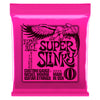
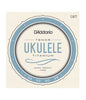
SoundStoreXL carries strings for classical guitar from renowned brands such as D'Addario, Ernie Ball, and Grooveland. D'Addario is particularly known for its Pro Arte series with consistent intonation and long lifespan, whether for beginners or concert guitarists. Ernie Ball is recognized for affordable sets with both clear and black nylon, focusing on comfortable playability and rich sound. Grooveland is suitable for those seeking good value for money and a traditional, clear tone for classical or Spanish guitars.
Application
Strings for classical guitar are used by many types of musicians:
- For the beginner: Easy-to-play nylon strings with normal tension provide soft comfort and help avoid sore fingers.
- For the professional: Hard tension sets ensure maximum resonance and powerful projection on stage or in recordings.
- For teaching and practice: Affordable strings with good durability are ideal when strings are typically changed more often.
- For specialists: Playing style and genre (fingerstyle, flamenco, classical concert) influence the choice of tension and materials.
For classical guitar, the software side is typically not relevant, as the instrument is primarily acoustic. However, some may choose to use a recording interface or pickup, where recordings are processed in a DAW. Regardless of string choice, it does not directly affect compatibility, but quality strings can provide a better foundation for good sound in recording or amplification.
Frequently Asked Questions
- What does it cost to change strings on a classical guitar? If you change them yourself, the cost is only for the strings. At SoundStoreXL, you can buy quality strings in various price ranges.
- How often should I change strings? As a rule of thumb, every 3-6 months with regular use, but more frequently if you play a lot or want a fresh tone.
- Can I use steel strings on a classical guitar? No, classical guitar is only intended for nylon strings – steel strings can damage the instrument.
- What does normal and hard tension mean? Tension refers to how hard the strings feel and affects both playability and volume.
- How do I install and maintain strings? Change one string at a time, gradually tune up, and clean after playing for longer lifespan.
Buy Strings for Classical Spanish Guitar at SoundStoreXL
At SoundStoreXL, you always get specialized advice, Danish support, and a wide selection of quality strings for both beginners and professionals. No matter what level you play at, we are ready to guide you to the perfect choice. You shop safely, get fast delivery, and can always find strings that match both your classical guitar and your playing technique preferences.
