

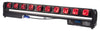

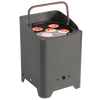
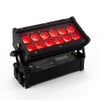
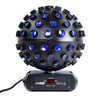



Theater Lighting


Read more Theater Lighting
Read more Theater Lighting
Theater Lights
Theater lighting is a discipline that has evolved over the years from simple candles to high-tech LED solutions with advanced DMX controllers. In this text, I will delve into the technical aspects of theater lighting, including historical advancements, basic principles of lighting design, and the modern use of various types of lighting equipment.
The Evolution of Theater Lighting
Theater lighting has a rich history that dates back to ancient Greek and Roman theaters, where natural light and fire were the primary light sources. Over time, light from gas lamps and later electric bulbs became common in theaters. This marked an important step in the development of lighting design, as it allowed for more precise control over the intensity and direction of light. The introduction of electric lighting systems, especially from the late 1800s, revolutionized theater lighting, paving the way for the modern lighting design we know today.
Basic Principles of Theater Lighting
Theater lighting and stage lighting are about much more than just illuminating the stage. It is an integral part of the scenography and storytelling. The basic principles of theater lighting include understanding lumens (brightness) and lux (light intensity per unit area). These measurements are crucial for determining how much light is needed and where it should be focused. Color temperature, measured in kelvin, also plays a central role in creating the desired atmosphere on stage. The choice between CW (cold white) and WW (warm white) light can dramatically change the audience's perception of a scene, just as the use of RGB technology can add colors and dynamics to the theater performance.
Different Types of Theater Lamps
In modern theater lighting, there is a wide range of lamps, each with its specific applications. Fresnel lamps are known for their soft, edged light, which is ideal for general stage lighting. Ellipsoidal reflector lamps, also known as profile spotlights, provide a sharp beam of light that can be precisely shaped with the help of barndoors and gobos. PAR Cans in various variants are robust and often used to create wide, intense light surfaces. With the new LED technology, theater lighting has also gained energy-efficient solutions, offering longer lifespan and lower heat development compared to traditional stage lighting. LED lamps come in many variants, from RGB lamps that can change color to powerful CW/WW lamps that can adjust the color temperature as needed.
Color Temperature and Brightness in Theater Lighting
Color temperature is a crucial factor in theater lighting. Measured in kelvin, the color temperature determines whether the light is perceived as warm (yellow-red spectrum) or cold (blue-white spectrum). Typically, WW (warm white) light is around 2700K-3200K, providing a warm and inviting atmosphere, while CW (cold white) light is around 5000K-6500K, offering a sharper, more clinical effect. Brightness, measured in lumens, affects how visible an actor or a stage detail is. To ensure even lighting across the stage, it is also important to consider lux, which measures light intensity per square meter. This helps the lighting designer create a balance between light and shadow, which is essential for highlighting the right elements on stage.
Lighting Design and Scenography
Lighting design is an art form in itself and plays a central role in enhancing the visual expression of the scenography. The lighting designer works closely with the scenographer to ensure that the lighting supports the narrative and aesthetic direction of the performance. This includes choosing light intensity, color temperature, and the direction of the light beams. The use of gobos, which are patterned filters, and color filters allows the lighting designer to create specific atmospheres and effects, ranging from shadowy, mysterious environments to bright, colorful scenes. In modern theater productions, stage lighting plays an indispensable role in creating a visual whole that captivates the audience and enhances the storytelling.
DMX Control and Modern Lighting Management
DMX (Digital Multiplex) is a standard protocol for lighting control in the theater world. It enables precise control over multiple lighting fixtures from a central control unit. Lighting management with DMX control is used to control everything from standalone lamps to complex lighting setups, where each unit can receive individual signals for intensity, color, and position. With the increasing use of LED technology and intelligent lamps that can move, change color, and pattern, DMX has become an indispensable part of modern theater productions. With DMX, lighting designers can create dynamic lighting scenes that change in real-time during the performance, providing a deeper visual experience for the audience.
Intelligent Stage Lighting in the Theater
Intelligent lighting refers to the use of computer-controlled lamps that can be programmed to perform complex tasks during a performance. These lamps, also known as moving heads, can change position, color, gobos, and light intensity during the performance. They are often part of larger theater productions where the lighting designer wants to create dynamic and interactive lighting effects. Using DMX control, these lamps can be synchronized with sound effects and scene changes, creating a fully integrated theatrical experience. Intelligent lamps have revolutionized theater lighting by giving lighting designers unprecedented opportunities for creative expression.
The Future of Theater Lighting
Theater lighting is constantly evolving, and the future points towards even more advanced technologies and methods. Wireless control of lighting fixtures is one of the latest innovations, allowing lighting to be controlled without extensive cabling. Additionally, there is an increasing focus on energy efficiency, with LED technology becoming the preferred choice due to its low power consumption and long lifespan. Automation and AI control are also beginning to make their way into the theater world, where lighting systems can adapt in real-time based on the progression of the performance. This opens up new creative possibilities, where lighting can dynamically respond to the actors' movements and audience reactions.
Energy Optimization in Theater Lighting
With the increasing concern for climate and energy consumption, theater and stage lighting are also subject to demands for greater energy efficiency. The transition from traditional halogen lamps to LED technology is one of the most significant changes that have markedly reduced energy consumption in theaters. LED lamps use significantly fewer watts than their predecessors while producing the same or higher levels of lumens. This means theaters can reduce their electricity bills and carbon footprint while maintaining a high standard of lighting. Additionally, LED lamps have a longer lifespan, reducing replacement and maintenance costs.
Theater Lighting: Safety
Safety in theater lighting cannot be underestimated. Lighting fixtures, especially older models, can become extremely hot and pose a fire hazard if not properly installed and maintained. With modern LED lighting, this risk is significantly reduced, as these lamps generate much less heat. Nevertheless, it is important to ensure that all electrical installations comply with current safety standards and that regular inspections are carried out. Lighting designers and technicians must also be aware of the potential dangers of working with high-voltage equipment and take the necessary precautions to protect both themselves and the actors.
Dramatic Effects with Stage Lighting
Light is a powerful tool in the theater when it comes to creating dramatic effects. By manipulating light intensity, direction, and color temperature, lighting designers can create everything from dark, eerie scenes to bright, hopeful moments. Shadow effects are a common technique used to add depth and dimension to the stage, while contrast between light and dark can highlight certain elements and direct the audience's attention. Moving light, often created with intelligent lamps, can add a dynamic sense of movement and change, enhancing the narrative tension in a performance.
Interaction Between Sound and Light in the Theater
Sound and light are two inseparable elements in theater productions that often work in close symbiosis to create a cohesive stage experience. Lighting designers collaborate with sound technicians to ensure that the lighting complements the mood and rhythm of the sound. For example, the lights can flash in time with the music or change color and intensity to follow sound effects. This interaction between sound and light enhances the audience's experience and creates a more immersive atmosphere. With modern technology, such as DMX-controlled lighting setups, the synchronization between light and sound can even be programmed and automated, providing a precision that was previously unimaginable.
Education in Theater Lighting
For those who wish to pursue a career in theater lighting, there are many educational opportunities to choose from. Educational institutions offer specialized courses in lighting design, where students learn about everything from basic electrical systems to advanced lighting management with DMX and programming of intelligent lamps. Additionally, there are internship opportunities at theaters and concert venues where aspiring lighting designers can gain practical experience. Career opportunities in this field are diverse, ranging from lighting design and technology to specialization in certain types of lighting or working with specific software tools. Continuing education and lifelong learning are also necessary to stay updated with the latest technologies and techniques in theater lighting.
Examples of Lighting Design: Iconic Theater Productions
Some of the most memorable moments in theater history have been created through skillful lighting design. For example, the lighting design in productions like "Les Misérables" and "The Phantom of the Opera" has become iconic due to its ability to enhance the emotional depth of the performance. These productions utilize advanced lighting design techniques, including the use of gobos, color filters, and moving light to create complex and dynamic stage images. The lighting design in such productions is not just a support for the actors but a central part of the storytelling that contributes to the overall visual and emotional experience for the audience.

Get exclusive deals and member discounts
Join Club SoundStoreXL for free and get more out of every order.
- 100-day right of return for members (normally 30 days)
- Members-only discounts
- Priority order handling
- Early VIP access to select campaigns
- Important product news and deals
- Exclusive events