
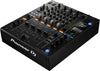

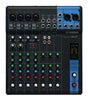


Powered Mixers
Read more Powered Mixers
Read more Powered Mixers
Powered Mixer in Professional Sound System
Powered Mixers are an essential component in many professional sound systems, combining the mixer and amplifier into one unit. Here we thoroughly review how to choose the right powered mixer, its functionality, and how to optimize its performance for different types of events.
What is a Powered Mixer?
A powered mixer is an integrated unit that combines the functions of a mixer and an amplifier into one compact device. This combination simplifies setup by eliminating the need for separate amplifiers and mixers, reducing cable clutter and complexity in the setup. Powered Mixers are great for live events and music arrangements where space and setup time are limited.
Advantages of Using a Powered Mixer
Powered Mixers offer several advantages, including a more streamlined setup and less need for additional equipment. By integrating the mixer and amplifier into one unit, you as a sound engineer can benefit from a simpler and more compact solution, saving space and setup time. Additionally, powered mixers can be more cost-effective as they eliminate the need to purchase and maintain separate amplifier and mixer.
How to Choose the Right Powered Mixer?
When choosing a powered mixer, you need to consider several factors. First and foremost, assess the number of channels required for your setup, as well as the necessary power. It is also important to consider the specific features you need, such as built-in effects, equalizers, and connectivity options. A powered mixer should be able to handle the audio sources you plan to use and provide sufficient power for your speakers.
Powered Mixer vs. Separate Mixer and Amplifier
A powered mixer offers a combined solution that can be more convenient than using separate mixers and amplifiers. With a powered mixer, you get both the mixer and amplifier in one unit, which can be advantageous for smaller setups or situations where space is a factor. However, separate equipment provides greater flexibility and upgrade options, as you can choose each component individually to match your specific needs.
How Does a Powered Mixer Work in a Sound System?
A powered mixer works by receiving audio signals from microphones and instruments, mixing these signals, and then amplifying them before sending them to the speakers. This process occurs in one unit, ensuring a more direct and efficient signal path. The powered mixer allows you to adjust sound levels, add effects, and shape the sound while simultaneously delivering sufficient power to drive the speakers.
How to Connect Microphones and Instruments to a Powered Mixer?
Connecting microphones and instruments to a powered mixer requires proper use of inputs and level adjustments. Microphones are typically connected via XLR inputs, while instruments can be connected via line-level inputs. It is important to adjust gain and levels correctly to avoid distortion and ensure all signals are mixed properly. For optimal sound quality, ensure all connections are secure and correctly configured.
The Importance of Power and Wattage for Powered Mixers
Power and wattage requirements are crucial to ensure that your powered mixer can deliver the necessary power to your speakers without overloading the system. It is important to choose a powered mixer with sufficient wattage to match the speakers' requirements and to avoid distortion or damage to the equipment. Power requirements can vary depending on the size of the room you are working in and the sound levels you wish to achieve.
Using Equalizer and Sound Processors with Powered Mixers
Powered Mixers can often be equipped with built-in equalizers, but it may be necessary to use external sound processors such as compressors and limiters to optimize sound quality. The equalizer helps shape the frequency response and adapt the sound to the room's acoustics. External processors can further enhance sound clarity and dynamics by controlling sound dynamics and protecting against distortion.
How to Choose an Equalizer for a Powered Mixer?
When choosing an equalizer for your powered mixer, consider which type of equalizer best matches your needs. There are both graphic and parametric equalizers, each with their own advantages. A graphic equalizer offers predefined frequency bands, while a parametric equalizer provides more control over specific frequencies. Choose an equalizer that gives you the flexibility and control you need to optimize your sound.
How to Adjust Output for a Powered Mixer?
Adjusting output levels on a powered mixer requires careful calibration of both master output and individual channel output. It is important to adjust gain and levels to avoid distortion and ensure smooth sound quality. Start by setting an appropriate level on each channel and adjust the master output to match the desired sound levels. Regular monitoring and adjustment of output can help maintain optimal sound quality.
Different Types of Powered Mixers
Powered Mixers come in various sizes and configurations, from compact models ideal for small venues to larger units that can handle more complex setups. Compact powered mixers are often used for smaller events and rehearsal rooms, while larger units are designed for professional users who need extra channels and higher power. Choose a powered mixer that suits your specific needs and event type.
How to Handle Feedback with a Powered Mixer?
Feedback can be an issue in any sound system, but it can be effectively managed with a powered mixer by adjusting equalizer settings and the placement of microphones and speakers. Using notch filters and proper adjustment of frequency bands can help reduce or eliminate feedback. It is also important to avoid placing microphones too close to the speakers, as this can cause feedback.
Using Powered Mixers in Different Types of Events
Powered Mixers are versatile and can be effectively used in a range of different events, from concerts and conferences to private parties and live shows. Their ability to combine mixer and amplifier in one unit makes them a practical solution for various setups. Consider the specific requirements for each type of event, such as the number of participants and sound levels, to choose the right powered mixer for your situation.
