
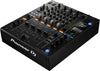


Live Mixers
(40 products) Save €85In stock (only 2 pcs.) · Delivery time: 3–5 business days
 In stock (only 1 pcs.) · Delivery time: 3–5 business days
 In stock (only 1 pcs.) · Delivery time: 3–5 business days
 In stock (only 1 pcs.) · Delivery time: 3–5 business days
 In stock (only 1 pcs.) · Delivery time: 3–5 business days
 Save €35In stock (only 1 pcs.) · Delivery time: 3–5 business days
 Save €54In stock (only 1 pcs.) · Delivery time: 3–5 business days
 In stock (only 1 pcs.) · Delivery time: 3–5 business days
 In stock (only 2 pcs.) · Delivery time: 3–5 business days
 Save €54In stock (only 1 pcs.) · Delivery time: 3–5 business days
External warehouse – Estimated delivery in 11–14 business days.  Save €20In stock (only 1 pcs.) · Delivery time: 3–5 business days
External warehouse – Estimated delivery in 10–14 business days. 
External warehouse – Estimated delivery in 11–14 business days. 
External warehouse – Estimated delivery in 11–14 business days. 
External warehouse – Estimated delivery in 11–14 business days. 
External warehouse – Estimated delivery in 11–14 business days. 
External warehouse – Estimated delivery in 7–12 business days. 
External warehouse – Estimated delivery in 7–12 business days. 
External warehouse – Estimated delivery in 7–12 business days. 
External warehouse – Estimated delivery in 7–12 business days. 
External warehouse – Estimated delivery in 7–12 business days. 
External warehouse – Estimated delivery in 7–12 business days. 
External warehouse – Estimated delivery in 7–12 business days. 
External warehouse – Estimated delivery in 11–14 business days. 
External warehouse – Estimated delivery in 9–16 business days. 
External warehouse – Estimated delivery in 11–14 business days. 
External warehouse – Estimated delivery in 11–14 business days. 
External warehouse – Estimated delivery in 11–16 business days.  Save €88
External warehouse – Estimated delivery in 11–16 business days. 
External warehouse – Estimated delivery in 11–16 business days. 
External warehouse – Estimated delivery in 11–16 business days. 
External warehouse – Estimated delivery in 11–16 business days. 
External warehouse – Estimated delivery in 10–12 business days. 
External warehouse – Estimated delivery in 10–12 business days.  In stock (only 1 pcs.) · Delivery time: 3–5 business days
External warehouse – Estimated delivery in 11–16 business days. 
External warehouse – Estimated delivery in 11–16 business days.  Save €10
External warehouse – Estimated delivery in 9–12 business days. 
External warehouse – Estimated delivery in 11–16 business days.


Read more Live Mixers
Read more Live Mixers
Live Mixers
Live Mixers are essential for many live events, where they play a central role in mixing and controlling audio signals in real-time. This article covers the key aspects of live mixers, including selection, functionality, and how to optimally use them for different types of events.
What is a live mixer?
A live mixer is a type of professional audio equipment used to mix and control sound from various sources during live events such as concerts, theater performances, and conferences. This type of mixer allows the sound engineer to adjust levels, add effects, and manage output to ensure optimal sound quality.
Benefits of using a live mixer
Live Mixers offer many benefits, especially when it comes to sound control. They enable flexible handling of different audio sources and adjustment of sound quality during the concert or event. This ensures that every part of the sound, from vocals to instruments, is mixed correctly and delivered clearly to the audience.
How to choose the right live mixer?
When choosing a live mixer, consider the number of channels that match your setup, power requirements, and the features you need. Also consider connectivity options such as inputs and outputs, and whether you need built-in effects and equalizers. Choose a live mixer that can handle the specific requirements of your live performance.
Live Mixer vs. Studio Mixer
Live Mixers and Studio Mixers have different purposes. Live Mixers are designed for real-time control and are often more robust to withstand the demanding environment of live events. Studio Mixers, on the other hand, are optimized for recording and editing sound in a studio, with a focus on precision. The choice between them depends on your specific need for either live or studio sound.
How does a live mixer work in a sound system?
A live mixer works by receiving audio signals from microphones and instruments, mixing these signals, and then managing output to speakers. This process ensures that all audio sources are correctly mixed and balanced, so the sound reaches the audience in high quality. The live mixer also handles effects and equalizing to adjust the sound's character.
How to connect microphones and instruments to a live mixer?
To connect microphones and instruments to a live mixer, you need to use the right inputs and ensure that each device is properly connected. Microphones are typically connected with an XLR cable via the XLR input, while instruments often use line-level inputs with jack plugs. Adjust gain and levels to avoid distortion and ensure clear sound.
The importance of channels and routing in a live mixer
Channels and routing are important for effective sound mixing in a live mixer. Each channel allows for individual control of audio sources, while routing determines how signals are directed to different outputs. Effective use of channels and routing ensures that the sound is mixed correctly.
Using equalizers and audio processors with live mixers
Equalizers and audio processors like compressors and limiters are important tools for enhancing sound quality. Live Mixers may have built-in equalizers, but external processors can also be added for additional control. Equalizers help adjust frequency response, while processors ensure that the sound is balanced and distortion-free.
How to choose the right equalizer for a live mixer?
Choosing an equalizer for a live mixer depends on specific sound needs. Graphic equalizers offer predefined frequency bands, while parametric equalizers provide more precise control over individual frequencies. Choose an equalizer that complements your live mixer and gives you the necessary control over the sound.
How to adjust output on a live mixer?
To adjust output on a live mixer, configure both master output and individual channel output. Adjust gain and levels to ensure that the sound is clear and distortion-free. It is important to monitor sound levels continuously to maintain high quality throughout the session.
Different types of live mixers
There are many types of live mixers, from compact models suitable for smaller events to larger units for professional setups. Each type of live mixer has its own features and capacities, so it is important to choose a model that fits the size of your event.
How to handle feedback with a live mixer?
Feedback can be an issue during live events, but it can be managed by adjusting equalizer settings and ensuring correct microphone and speaker placement. Use notch filters and proper channel adjustment to reduce or eliminate feedback. Pay attention to the placement of microphones in relation to speakers to avoid feedback.
Application of live mixers in events
Live Mixers can be effectively used in a variety of events, such as concerts, theater performances, and conferences. Their suitability for mixing and controlling sound in real-time makes them ideal for situations where precision and flexibility are necessary. Adapt your live mixer to your event to ensure a successful sound setup.

Get exclusive deals and member discounts
Join Club SoundStoreXL for free and get more out of every order.
- 100-day right of return for members (normally 30 days)
- Members-only discounts
- Priority order handling
- Early VIP access to select campaigns
- Important product news and deals
- Exclusive events