





What is a triangle?
A triangle is a simple yet powerful musical instrument that belongs to the percussion family. It consists of a metal rod bent into a triangular shape, with one corner left open. The triangle has become an integral part of both classical and modern music thanks to its clear, ringing sound, which adds a unique character to many percussion sections. It is an essential tool in music production and live performances.
How does a triangle work?
The triangle is made of metal, often steel or brass, which gives it its characteristic tone. When you strike the triangle with a metal beater, the metal vibrates and produces a bright, sharp sound that can cut through even the most complex musical arrangements. The sound’s intensity and pitch can vary depending on the triangle’s size and the material used. Professional musicians can use different techniques, such as adjusting the force and placement of the strike, to create variation in the sound, making the triangle a versatile instrument in both solo and ensemble settings.
Triangle in music education and school music
The triangle is popular in music education due to its simplicity and immediate sound. For children, the triangle is an ideal instrument for introducing basic music theory, such as rhythm and timing. It is easy to handle, and its manageable size makes it perfect for school concerts and musical play. In music education, the triangle helps students understand the role of percussion instruments in an orchestra or band.
Triangle for music production and live performance
In music production, the triangle adds a sharp and clear element to the soundscape. Correct microphone placement is crucial for capturing the authentic triangle sound in the studio. During live performances, the triangle is often used to add texture and dynamics, and its sound is easy to integrate into a wide range of music genres. Many well-known bands and musical pieces incorporate the triangle to add a unique dimension to their musical expression.
Choose the right triangle for your needs
When choosing a triangle, it is important to consider factors such as material and size, as these significantly affect the sound. A professional triangle should be sturdy enough for frequent use, while smaller, lighter models are often sufficient for beginners or children. Also consider accessories such as different triangle beaters, which can change the character of the sound. Maintenance is key to preserving your triangle’s optimal sound quality, which includes regular cleaning and correct storage.
Accessories for triangle
For your triangle, you can find a range of accessories that can improve your playing experience. Different types of triangle beaters can affect the sound’s clarity and volume, while stands and holders can make it easier to integrate the triangle into a fixed setup. At SoundStoreXL, we offer a wide selection of accessories for the triangle, ensuring you get the most out of your instrument.
Triangle in relation to other percussion instruments
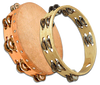
The triangle’s unique sound makes it an integral part of the percussion section, where it often plays alongside other instruments such as tambourines and cymbals. Compared to other percussion instruments, the triangle provides a distinct, high-frequency tone that can complement and highlight rhythmic elements in ensembles. This complementary role makes the triangle an indispensable tool in both orchestral and band contexts.
Differences between acoustic and digital triangle sounds
Digital audio technologies have made it possible to emulate the authentic triangle sound, which can be convenient in electronic music and music production, where flexibility and variation are key elements. While acoustic triangle sounds offer a pure and natural tone, digital versions provide advantages such as easy integration into samplers and sound modules. The choice between digital and acoustic often depends on the musical context and personal preferences. We are ready to help you choose the right solution for your musical projects.
